Author name: Mizan Design Studio

Uncategorized

Why Choosing the Right Drafting Service is Crucial for Your Project

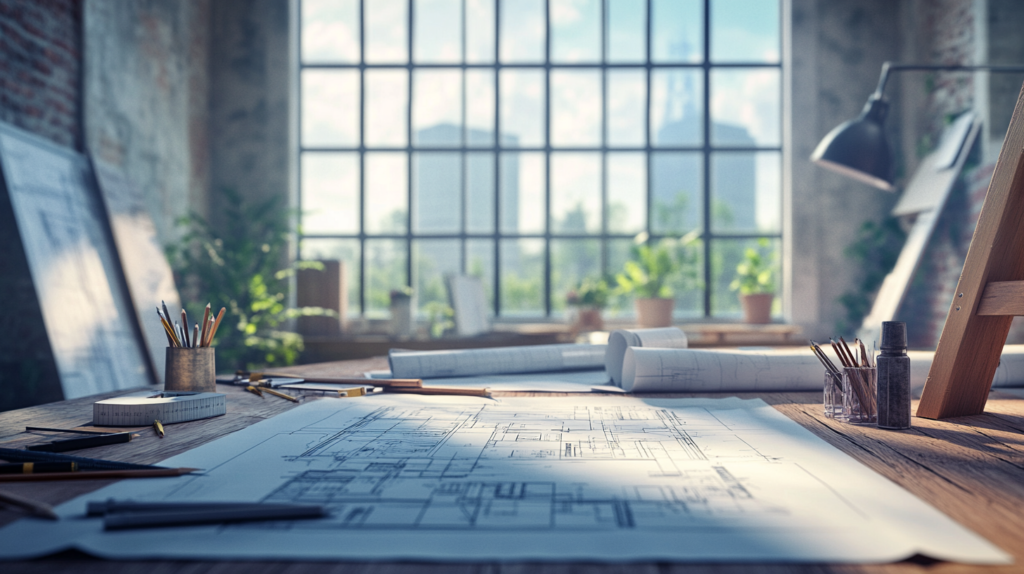
Unlocking the Door to Successful Projects Let’s take a moment to imagine you’re embarking on a grand adventure, perhaps akin to building your very own castle. It’s a grand dream but one where every brick needs to be in the right spot. Your project might not involve actual bricks, but choosing the right drafting service is no different from assembling a team of loyal knights. It’s critical — so that your project not only stands tall but can weather the storm. Trust me, having the right folks draft your vision can make a world of difference. The Significance of Drafting in Project Success Consider drafting as the skeletal framework of any building or design project. It’s almost like a blueprint to your dream. Without a plan, projects can easily become chaotic, much like a game of Jenga played by a restless cat. Let’s not risk toppling towers, eh? A proficient drafting service provides clarity, ensuring each detail is accounted for and fits like a glove. Quality Matters More Than You Think Choosing the right drafting service means choosing quality that doesn’t take shortcuts. This isn’t just scribbling a few lines on paper. It’s about expertise — a quality that involves experience, attention to detail, and dedication to delivering excellence. Ever seen a car drives smoothly without an engine? It’s the same with projects; they can hardly progress without a solid backbone! Financial Foresight Engaging a reputable drafting service can feel like an investment at first, but the irony is, it often saves you money in the long run. A top-tier service prevents those oh-so-dreaded reworks, which are basically money pits. More mistakes mean more cash down the drain. No one wants to watch their budget burn faster than a candle at both ends! The Many Hats of a Drafting Service Here’s a nugget of wisdom — a quality drafting service often does more than just draft. Think of them as your friendly neighbourhood detective. They identify potential issues before they become problematic. This proactive approach can be likened to nipping problems in the bud. The outcome? A smoother project flow that makes you grin like a Cheshire cat. Spotting a Stellar Drafting Service Alright, here’s the golden question — how do you spot a top-notch drafting service from miles away? Look out for their previous work. Client testimonials are like getting advice from a trustworthy friend rather than rolling the dice blindfolded. Also, communication. If they explain things as clearly as a sunny day at the beach, you’ve hit the jackpot. Tailoring to Your Needs The right drafting service isn’t a one-size-fits-all scenario. Imagine wearing shoes that don’t fit! It’s essential that the service aligns with your project’s requirements. It’s like finding a partner in crime that appreciates your quirks and visions. Some services can customise solutions suitable to your project, which is as refreshing as a cool breeze on a summer day. Building Relationships That Last Lastly, what’s essential in working with drafting services is building relationships. This isn’t just about technical prowess — it’s also about trust and cooperation. You wouldn’t want to be sitting across the table from someone who’s as cold as a winter’s night, would you? The sense of camaraderie can turn daunting tasks smoother and create a partnership that supports your project’s objectives. Conclusion As you sit there, sketching out the fantastic details of your upcoming project, give thought to your choice of drafting services. They aren’t only penning lines; they’re mapping your future success. I remember when I once thought I could assemble a table without instructions — oh, the catastrophe! So, save yourself the headache and leave it to the professionals who will work wonders on bringing your dream project to life.

Uncategorized

The Evolution of Architectural Drafting in Sydney

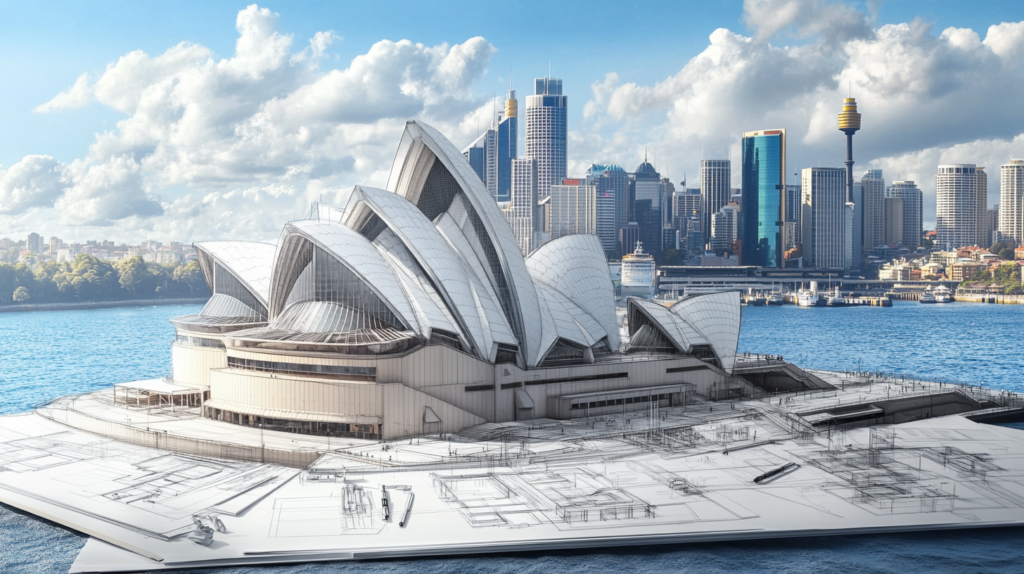
A Look Back: From Pen and Paper to Digital Blueprints Picture this: it’s a sunny day in Sydney in the 1950s, and an architect is hunched over a drafting table, squinting through his glasses at a sprawling sheet of paper. He’s using a well-sharpened pencil to lay out the plans for one of the iconic brick bungalows that dot the city. Fast forward to today, and that same architect has traded his pencils and T-squares for a computer mouse and keyboard, effortlessly navigating computer-aided design software. Technological advancements have completely transformed architectural drafting in our beloved Harbour City. Now, what triggered this dramatic shift, you ask? Well, necessity is the mother of invention. Early draftsmen worked laboriously by hand. Every line drawn and every angle measured was a feat of precision. But as Sydney grew and the demand for new buildings soared, the need for more efficient tools became paramount. Rapid Industrialisation: Accelerating the Drafting Revolution Sydney has always been a city with a big heart and even bigger ambitions. As industry boomed through the 20th century, so did the architectural requirements of the city. The contemporary skyline we admire today was merely an aspirational twinkle in the eye back then. But the demand was there, breathing life and urgency into the architectural drafting profession. Enter the digital age, one where computers began creeping into offices—and eventually, onto the desks of architects. It was a game-changer. Suddenly, drafting became not just more efficient but also more precise. Mistakes could be undone with a simple click, saving plenty of time and headaches. The mighty pencil and eraser were replaced by the alluring glow of pixels on a screen. And with this shift, Sydney architects started to see possibilities that were previously unattainable. Taking the Plunge into 3D: Welcome to the Future 3D drafting—sounds a bit sci-fi, doesn’t it? While it might not entail drafting among aliens, it certainly revolutionised the industry once more. 3D modelling software carried the promise of more detailed virtual representations of the structures. You know the old saying, “A picture is worth a thousand words”? Well, 3D models are like the Encyclopaedia Britannica of architectural plans! For architects in Sydney, this leap forward meant not just drawing lines and arcs but constructing vivid, immersive models. Now, clients could walk through buildings before a single brick was laid. Talk about seeing is believing! Collaborative Drafting: More Heads, Better Results Collaboration is the spice of life—or, at least, the salt and pepper in the soup of architectural drafting. With cloud technology and online platforms, teams are now working more closely than ever. Drafts can be completed by teams scattered across various locations within Sydney, all without having to share the same four walls. That’s some 21st-century wizardry, wouldn’t you say? The power to easily share designs and ideas across teams enhances creativity and paves the way for innovative architectural marvels. Think about the Sydney Opera House—what might have been if Jorn Utzon had the cooperative tools we take for granted today? Challenges: A Double-Edged Sword Of course, just like eating a good Aussie meat pie, drafting evolution isn’t entirely without its challenges. Keeping up with technology requires constant learning and adapting. Not every architect is a natural-born tech wizard. Investing time and resources to master the latest tech is as crucial as it is demanding. Moreover, the assortment of software options can leave one’s head spinning. But with every obstacle, there’s an opportunity. As new tools emerge, architects in Sydney have the potential to redefine drafting yet again, pushing boundaries and leading with resilience and creativity. A Nostalgic Glance at the Future So, where does this ongoing evolution leave us? Next time you walk down the bustling streets of Sydney, take a moment to look up. From towering skyscrapers to charming suburban homes, every building stands as a testament to the city’s rich history of evolution in architectural drafting. It’s not just about buildings but the stories and dreams they hold within their walls. And as we look to the future, one thing is clear: Sydney will continue to flourish. Architects will remain at the forefront, sketching the blueprints of tomorrow with tools their predecessors could only dream of. As they blend creativity with innovation, they keep the spirit of drafting alive and vibrant in a city that never stops growing. So there you have it—a journey through time and technology, with more chapters yet to be written. Who knows what exciting innovations await the architects of tomorrow?

Uncategorized

Top 5 Trends in Architectural Drafting for 2025

1. The Embrace of Sustainability You’d think we’re all turning into tree huggers these days, and you’d be spot on! Sustainability isn’t just a buzzword anymore; it’s a rite of passage in architectural drafting. Picture this: architects are crafting blueprints on digital screens, with sustainability as their faithful sidekick. They’re pulling up eco-friendly materials and energy-efficient designs faster than you can say, “carbon footprint.” But here’s the kicker – it’s not just about ticking boxes for Mother Earth. Embracing sustainability can actually save you a bob or two in the long run, leaving both your wallet and the planet a tad happier.  2. The Digital Revolution Strikes Again We’re not living in the Stone Age anymore; we’ve got cutting-edge technology at our fingertips. Architects, those clever clogs, are incorporating AI, VR, and a whole bunch of mind-boggling tech to draft designs with precision that’d make James Bond blush. Imagine walking through a virtual model of your dream home before the first brick is laid. No more squinting at blueprints and playing ‘spot the difference’ post-construction! The digital wave is surfing us right into a future where tech and architecture are best mates, shaking hands firmly.  3. Modular Designs: Building Blocks Galore Remember your childhood days stacking blocks with dreams of castles and spaceships? Well, modular designs are the grown-up version of that – minus tripping over your creations in the hallway. In 2025, modular designs are the Ikea of architectural drafting: sleek, efficient, and surprisingly elegant. They’re transforming structures using prefabricated sections like a master grand piano player. And here’s a plot twist: it’s not just cost-effective but blazing fast. If you’re in a hurry to see those walls stand tall, modular design might just be your new best friend. 4. Collaborative Cloud Platforms In a world where we’re Zooming left and right, why should architectural drafting be left out of the loop? Collaborative cloud platforms are the social network where architects meet, exchange ideas, and throw around opinions like a jazz band riffing off each other (but with fewer trumpets). Gone are the days of lugging rolls of paper from one place to another. Now, anyone involved can click, scroll, and share insights from miles apart. It’s like pulling everyone into the same lounge room – minus the travel, and possibly the biscuits.  5. Aesthetic Fusion: Old Meets New  Remember when everything had to either be the latest and greatest? Well, trends are reversing! Architects are weaving a tapestry mixing the charm of yesteryear with tomorrow’s flair. They’re unearthing vintage designs, giving them a spit-shine, and pairing them with futuristic concepts. It’s like inviting Jane Austen and Elon Musk to the same dinner party and asking them to collaborate! Whether it’s crafting a countryside home with solar panels or an urban office with artisanal brickwork, this trend offers a luxurious blend that’s both comforting and daring. As you ponder these 2025 drafting trends, think of how they might dance with your own projects. Fancy saving the planet, embracing tech, or smashing styles together like an artist in a fury? It’s all possible. If you’re itching to jump into the future of design or need a bit of help wading through the choices, Mizan Design Studio is just a call away. We’re here to make visions come to life – with a splash of style and a sprinkle of witty banter.

Uncategorized

The Importance of Architectural Drafting in Modern Building Design

The Role of Architectural Drafting in Modern Design Picture this: You’re on a mission to design your dream home. You’ve got the vision, the location, and even a Pinterest board full of inspiration. But how do you go from dreamy ideas to solid foundations? That’s where architectural drafting steps in. At Mizan Design Studio, we know the ins and outs of turning dreams into architectural marvels across Sydney and beyond. Let’s dive into why architectural drafting is the linchpin of modern building projects. From Dreams to Blueprints Before a building sees its first brick laid, it must be drawn to life. Drafting acts as the bridge between the abstract and the tangible. It’s the artist’s canvas, yet instead of watercolours, we use CAD software and measuring tools. Drafting shapes the skeletal form of your building, ensuring every nook and cranny adheres to technical specifications and planning regulations. By setting the stage early, the drafting phase helps us foresee challenges and prepare solutions. Think of it as a GPS guiding you through the construction journey—no wrong turns or unexpected dead ends. A Symphony of Precision and Imagination Architectural drafting is like conducting a symphony, bringing together various elements to create harmony. Each line drawn and curve plotted serves a purpose, contributing to the overall stability and functionality of the building. But beyond mathematical precision, drafting also leaves room for creativity. A good draft tells a story, whispering the tale of its future inhabitants and their day-to-day lives. Our goal? To capture these narratives while keeping an eye on the double-edged sword of feasibility and cost. Navigating Compliance and Guidelines Newcomers might see planning permissions and building codes as insurmountable obstacles. Drafting helps maneuver through this legal maze smoothly. It ensures your project complies with local regulations, which is especially critical in Australia’s diverse environment. This phase is also where environmental considerations come into play. Sustainable buildings aren’t just trendy—they’re necessary. Through thoughtful design and drafting, carbon footprints can be reduced, proving that going green is more than a colour choice. Fusing Past and Present Architecture today walks a fine line between honouring historical styles and embracing modern advances. Often, a draft is a love letter to past architectural movements while incorporating cutting-edge technologies more suited to futuristic aspirations. It’s a balancing act, requiring respect for traditions but with one eye on what’s next. Such an endeavour demands flexible thinking and a willingness to push boundaries. Luckily, our team at Mizan is well-versed in wearing these dual hats. Collaboration: The Secret Ingredient Imagine building a house without a team—pure chaos, right? Drafting means rallying the architects, engineers, builders, and clients around a shared blueprint. It encourages dialogue and collaboration, ensuring everyone is on the same page (literally and metaphorically). A great draft is like a favourite group photo to which everyone in the project can always return for guidance. When everyone is aligned, projects run smoothly and outcomes exceed expectations. Looking Forward As technology keeps evolving, so does architectural drafting. Digital tools offer accuracy that pencil and paper never could. But while tech may advance, the core of drafting remains unchanged: its blend of creativity and precision, art and science. This duality is something we treasure at Mizan Design Studio as we continue to bring a touch of magic to every client we serve. Because, at the end of the day, our true success is measured not just in bricks and mortar but in how well we bring your vision to life. So, if you’re about to embark on a building adventure, consider this your call to action. Let us lighten the load and add flair to the frame, one deft pencil stroke at a time. After all, architectural drafting isn’t just a step in the process—it’s the very blueprint of possibility.

Scroll to Top