Urban Planning

Urban Planning

How is land subdivision done?

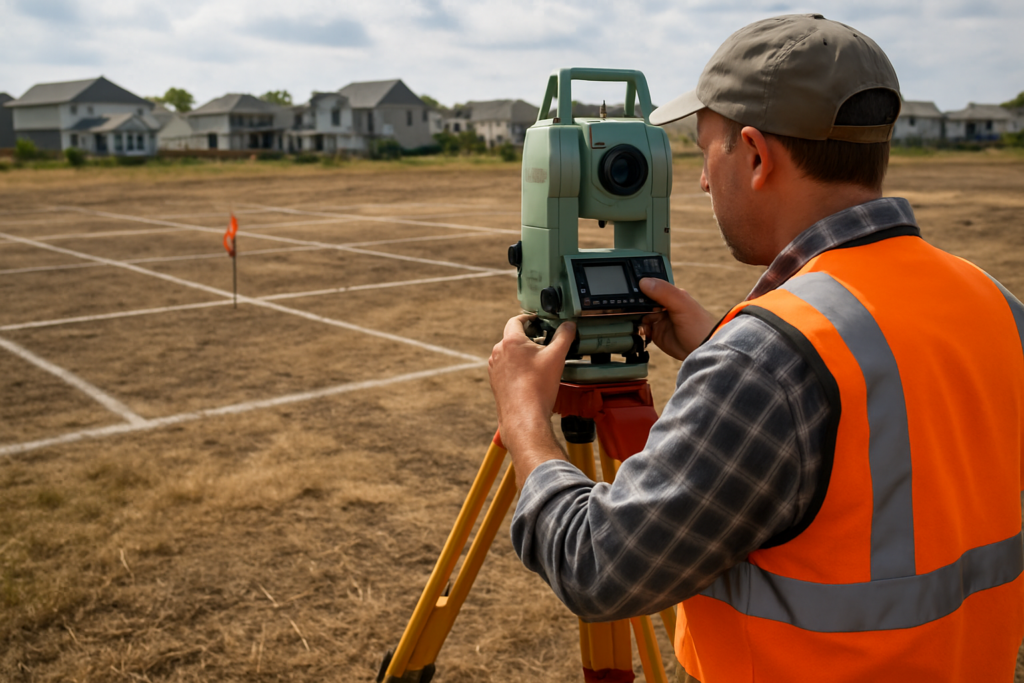
So you’ve got a block of land and you’re thinking… what if I could turn this into two properties? Or maybe three? Well, let me tell you – land subdivision is like the ultimate property puzzle, and when you get it right, it’s pretty satisfying. ## **What Actually Is Land Subdivision?** Okay so basically – subdivision is when you take one piece of land and split it into smaller lots. Think of it like cutting a cake, except way more complicated and with a lot more paperwork. You might be doing this to build multiple homes, create a duplex situation, or just make your investment work harder for you. The thing is… it’s not as simple as drawing a line down the middle and calling it a day. ## **First Things First – Can You Even Do It?** Before you get too excited about your subdivision dreams, you need to check if your council will even let you do it. Every area has different rules about: – **Minimum lot sizes** (sometimes it’s 450sqm, sometimes 600sqm, sometimes more) – **Street frontage requirements** (you need enough width for driveways) – **Access to services** (water, sewer, electricity – the boring but essential stuff) – **Zoning restrictions** (some areas just won’t allow it, period) I’ve seen people buy properties thinking they can subdivide, only to find out… nope. Council says no. Do your homework first. ## **The Step-by-Step Process (Buckle Up)** ### **1. Site Feasibility Study** This is where you figure out if your subdivision dream is actually possible. You’ll need to look at: – The shape and size of your block – Where the existing house sits (if there is one) – Any easements or restrictions on the title – What the neighbors are doing A good designer or town planner can help you work this out. They’ve seen it all before. ### **2. Get a Survey Done** You need a registered surveyor to come out and measure everything. And I mean EVERYTHING. Boundaries, levels, existing structures, trees, services… the works. This forms the base for all your plans moving forward. ### **3. Design Your Subdivision Layout** Now the fun part – working out how to divide the land. You need to think about: – **Access** – every lot needs street access or a battle-axe handle – **Services** – how will water, sewer, and power get to each lot? – **Setbacks** – you can’t build right up to the new boundaries – **Existing structures** – sometimes you need to demolish, sometimes you can keep ### **4. Development Application (DA) Time** This is where things get… bureaucratic. You’ll need to submit: – Detailed survey plans – Subdivision layout plans – Statement of Environmental Effects (yes, really) – All sorts of other reports depending on your council Councils usually take 2-3 months to assess this. Sometimes longer if they’re busy or if neighbors object. ### **5. Deal with Conditions** Councils rarely approve subdivisions without conditions. They might want: – New driveways constructed – Services upgraded or relocated – Contributions paid (yeah, they want money) – Landscaping or fencing requirements ### **6. Construction Certificate** If you need to do any physical works (like new driveways or service connections), you’ll need a Construction Certificate. More paperwork, more fees, more time. ### **7. Do the Physical Works** Time to get dirty. Or rather, time to pay contractors to get dirty. This might include: – Building new crossovers – Installing service connections – Demolishing structures that cross the new boundaries – Putting up new fences ### **8. Final Survey and Registration** Once everything’s built, the surveyor comes back to peg the final boundaries. They prepare the subdivision plan that gets registered with NSW Land Registry Services. ## **How Long Does This All Take?** Honestly? Longer than you think. A straightforward subdivision might take 6-12 months from start to finish. Complex ones can take years. I’m not trying to scare you – just being real about it. ## **What Does It Cost?** Ah, the million dollar question. Well, not quite a million, but… it adds up: – **Surveyor**: $3,000-$8,000 depending on complexity – **Town planner/designer**: $5,000-$15,000 – **Council fees**: $2,000-$10,000 – **Physical works**: $10,000-$50,000+ (really depends what’s needed) – **Legal fees**: $2,000-$5,000 So yeah… you’re looking at $30,000 minimum for a simple subdivision. More complex ones can hit $100,000+. ## **Common Mistakes People Make** 1. **Not checking feasibility first** – seriously, do this before you buy 2. **Underestimating costs** – always add a buffer 3. **Forgetting about services** – relocating power lines is expensive 4. **Ignoring neighbors** – they can object and slow everything down 5. **DIY-ing it** – this isn’t a weekend project ## **When to Get Professional Help** Look, I’m all for DIY when it makes sense. But subdivision? Get help. A good team might include: – **Town planner** – knows the rules inside out – **Surveyor** – legally required anyway – **Designer** – makes sure the subdivision actually works – **Engineer** – for drainage and structural stuff Yes it costs money upfront. But mistakes cost way more. ## **Is It Worth It?** When done right? Absolutely. I’ve seen single blocks turned into two or three valuable properties. The key is doing your homework, getting the right team, and being patient with the process. Just remember – every site is different. What worked for your neighbor might not work for you. Get specific advice for your specific block. ## **Final Thoughts** Land subdivision isn’t a get-rich-quick scheme. It’s a legitimate development strategy that takes time, money, and patience. But when you’re standing on your newly created lots, looking at the potential… it’s pretty cool. If you’re thinking about subdivision in Sydney, start with a feasibility study. Know what’s possible before you dream too big. And get good advice – it’ll save you headaches (and money) in the long run. That’s subdivision in a nutshell. Complex? Yes. Doable? Also yes. Just go in with your eyes open and a good team behind you.

Urban Planning

What do you need for planning approvals?

Look, I’ve been in this game for a while now. And if there’s one thing that drives people absolutely mental, it’s planning approvals. You know the feeling. You’ve got this brilliant idea for your property – maybe a granny flat for the in-laws, or finally building that dream home you’ve been sketching on napkins for years. Then someone mentions “council approval” and suddenly it feels like you need a PhD just to get started. **Here’s what you actually need. No fluff.** ## The Non-Negotiables First up, you can’t wing this stuff. Trust me, I’ve seen people try. Council’s not playing around when it comes to these documents: – **Site plan** – Shows your property boundaries, where the building sits, setbacks from fences. Basically a bird’s eye view of the whole thing – **Floor plans** – What’s going where inside. Every room, every door, every window – **Elevations** – What your building looks like from each side. North, south, east, west. The works – **Shadow diagrams** – Yeah, this is a thing. Shows how your building’s shadow falls at different times. Neighbours get touchy about sunlight ## The Paperwork Mountain (Sorry) Okay, deep breath. This list looks scary but it’s not that bad: – **Statement of Environmental Effects** – Fancy way of saying “here’s how our building won’t mess things up” – **BASIX Certificate** – Energy efficiency stuff. Water, thermal comfort, energy use. NSW takes this seriously – **Survey plan** – Recent one. Like, within the last 2 years recent – **Waste management plan** – Where’s all the building rubble going? Council wants to know ## The Stuff People Always Forget This is where people get stuck. Every. Single. Time. **Notification requirements.** Some projects need to tell the neighbours. Others don’t. Get this wrong and you’re back to square one. **Heritage reports.** Is your place old? Near something old? In a conservation area? You’ll need extra documentation. And before you ask – yes, even if you think your 1960s brick house isn’t “heritage”, council might disagree. **Stormwater plans.** Water’s gotta go somewhere. Council wants detailed plans showing exactly where. ## The Reality Check Here’s what nobody tells you… Council officers are actually human beings. Shocking, right? They’re not trying to make your life difficult. They’re following rules that exist for good reasons. That shadow diagram? It stops your neighbour’s prized veggie garden from being in permanent darkness. The setback requirements? They stop streets from feeling like canyons. But – and this is a big but – they can only approve what meets the rules. No amount of sweet talking changes that. ## Making It Less Painful You’ve got two options here: **Option 1: DIY** If you’re good with technical drawings, understand council codes, and have about 3 months of spare time… go for it. Some people genuinely enjoy this stuff. Maybe you’re one of them? **Option 2: Get Help** Most people go this route. And honestly? It usually works out cheaper when you factor in time, stress, and the cost of fixing mistakes. A decent building designer knows the local council’s quirks. They know that Parramatta Council has different requirements than Sutherland Shire. They’ve probably submitted hundreds of applications. They speak fluent “council”. ## The Timeline Truth Every client asks “how long will approval take?” Here’s the honest answer: – **Complying Development** – 10-20 days (if everything’s perfect) – **Development Application** – 40-60 days (if straightforward) – **Complicated stuff** – 3-6 months (heritage, multiple dwellings, tricky sites) And that’s AFTER you’ve got all your documents together. Which, let’s be real, takes most people at least a month. ## Your Move Planning approvals aren’t fun. Nobody’s throwing parties to celebrate lodging a DA. But they’re the tollgate between your idea and reality. You can either: 1. Spend the next few weekends learning council codes 2. Try to DIY it and hope for the best 3. Get someone who does this every day to handle it Just… whatever you do, don’t try to build without approval. I’ve seen that movie. It doesn’t end well. Seriously. The fines alone will make your eyes water. And demolition orders? They’re real. They happen. Get your approvals sorted first. Sleep easy later. That’s it. That’s what you need. Now stop procrastinating and get started on that dream project of yours.

Urban Planning

What is town planning in architecture?

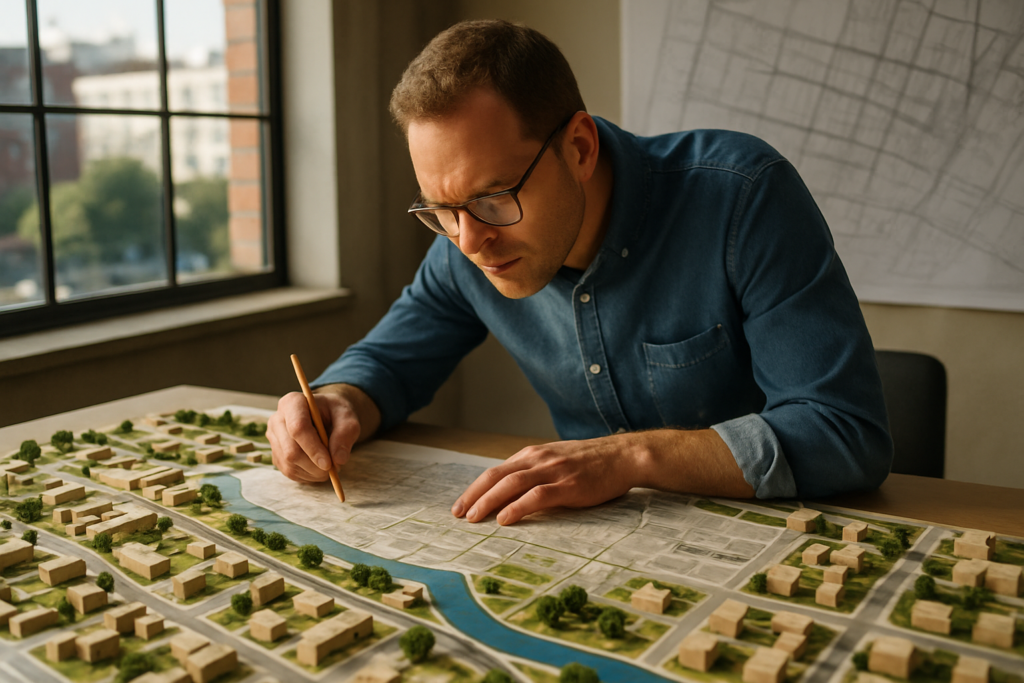
So you’re looking at a piece of land, maybe thinking about that dream home or investment property, and someone drops the term “town planning” into the conversation. Suddenly everyone’s nodding like they know exactly what it means… but do they really? Let me break this down for you in plain english. ## **What Town Planning Actually Is** Think of town planning as the referee in a massive game where everyone wants to build something. Its basically the set of rules that decide what can be built where, how tall it can be, how close to your neighbours fence you can go, and whether you can even build at all. When I’m working with clients here in Sydney (and trust me, after a decade in this game, I’ve seen it all), town planning is usually the first reality check we hit. You might have this amazing vision for a triplex on that corner block in Parramatta, but town planning determines if thats even possible. ## **Why It Matters More Than You Think** Heres the thing – **ignoring town planning is like trying to drive blindfolded**. Sure, you might get lucky, but probably not. Town planning affects: – How many dwellings you can squeeze onto your block – Whether you can subdivide that massive backyard – If your granny flat dreams are actually doable – How high you can build (no, you cant have a 5-story mansion in a low-density zone) – Where you position buildings on the site – Even silly things like where your bins go! ## **The Architecture Connection** Now, this is where it gets interesting for us designers. Town planning isnt just about following rules – its about finding creative solutions within those rules. Its like cooking with dietary restrictions. Yeah, it limits your ingredients, but a good chef (or architect) can still create something amazing. When we’re designing a new home or multi-residential project, town planning shapes literally everything: – **Building envelope** – fancy term for how big your building can be – **Setbacks** – how far from boundaries you need to stay – **Site coverage** – what percentage of land you can actually build on – **Height limits** – self explanatory, but always disappointing when you want that third floor – **Parking requirements** – because councils love their car spaces ## **The Real-World Process** Ok so heres how it actually works when you’re trying to build something… First, we check the **LEP** (Local Environmental Plan) and **DCP** (Development Control Plan). Boring names, important documents. These tell us the baseline rules for your specific area. Then we look at things like: – Zoning (R2, R3, B4… its like postcodes but for planning) – Heritage overlays (is that charming cottage next door heritage listed?) – Flood zones (surprise! your block floods every 20 years) – Bushfire zones (especially fun in outer Sydney areas) ## **Common Town Planning Headaches** Let me share some classics I’ve encountered: **The “But My Neighbour Did It” Syndrome** Just because old mate next door built to the boundary in 1975 doesn’t mean you can now. Rules change. Constantly. **The Heritage Surprise** Nothing like finding out mid-design that your area just got heritage controls slapped on it. **The Parking Problem** Council wants 2 spaces per dwelling. You want to maximize units. Something’s gotta give (spoiler: its usually your unit count). ## **Making Town Planning Work For You** Heres my advice after years of navigating this stuff: 1. **Start with a feasibility study** – seriously, dont skip this. Know what you can build before you fall in love with an impossible design 2. **Engage professionals early** – whether its us or another firm, get people who speak fluent “council” 3. **Be flexible** – your first idea probably wont work. Your second might not either. Roll with it 4. **Understand the why** – councils aren’t trying to ruin your day (usually). These rules exist for reasons like privacy, sunlight access, traffic flow ## **The Secret Sauce** You know what separates good designers from great ones? Its not just about knowing the rules – **its about knowing when and how to push them**. Sometimes you can get variations. Sometimes theres merit in arguing for something different. Sometimes you just need to know which planning officer to talk to and how to present your case. ## **Final Thoughts** Look, town planning might seem like a massive pain when you just want to build your dream home or investment property. But its actually there to make sure our neighbourhoods dont turn into complete chaos. Imagine if everyone could build whatever they wanted, wherever they wanted. Your neighbour could put up a 10-story apartment block that blocks all your sunlight. That nice quiet street could suddenly have a nightclub. Not ideal, right? The trick is working with these constraints creatively. Some of our best projects have come from tight planning restrictions that forced us to think outside the box. If you’re thinking about a building project – whether its a new home, duplex, or something bigger – dont let town planning scare you off. Just make sure you understand it early in the process. Get the right advice. Plan properly. And remember, every site has potential; you just need to unlock it within the rules. Trust me, its way better to know the rules upfront than to design your dream home and then find out you cant build it. I’ve seen too many people learn that lesson the expensive way. **Ready to navigate the planning maze?** Thats what we’re here for. We speak fluent council, and we actually enjoy turning planning constraints into design opportunities. Weird, I know. But someone’s gotta do it.

Scroll to Top